GEAR VR
The Samsung Gear VR, powered by Oculus, was a pioneering mobile headset that transformed Samsung smartphones into accessible virtual reality displays. To establish the foundational rules for how this new hardware actually worked, we simultaneously developed Milk VR (now Samsung VR), a comprehensive 360-video platform. Milk VR served as the critical first-party application and testing ground, defining the input and interaction standards for the entire Gear VR ecosystem while paving the way for the mainstream adoption of immersive media.
Year
08.15
Scope
Founding UX Design
Timeline
3 years
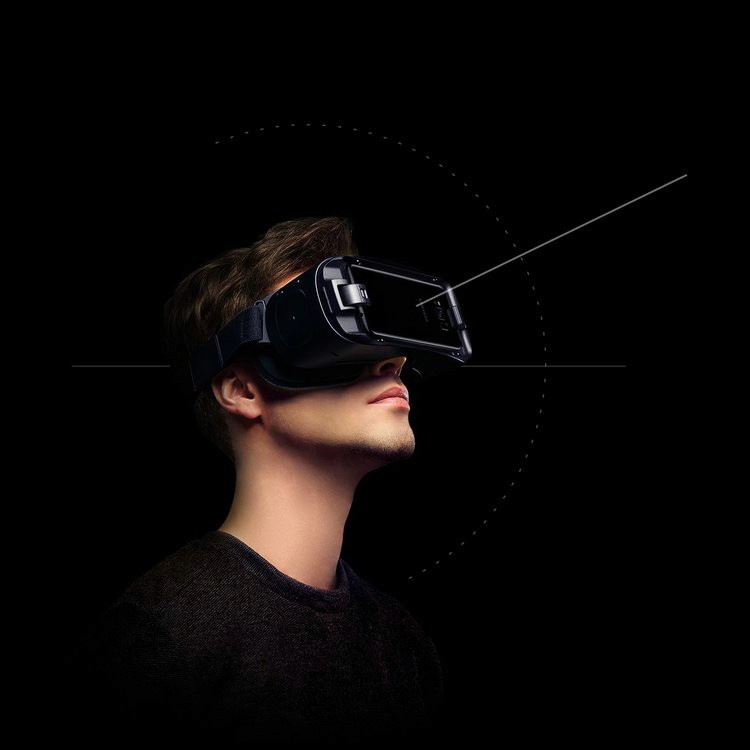
Pioneering design at the intersection of hardware, software, and spatial interfaces
As UX Lead and a founding member of the project, I drove the product design and internal strategy, pitching executive leadership and partnering directly with Oculus technical teams. Drawing on principles of physical ergonomics and spatial interaction, I developed the core user interface standards, managed the design team, and authored complex architectural-style specifications to align engineering and product vision. To ensure broad adoption, I also designed a 2D companion app for non-VR users, delivering a cohesive product experience across hardware, mobile, and web.
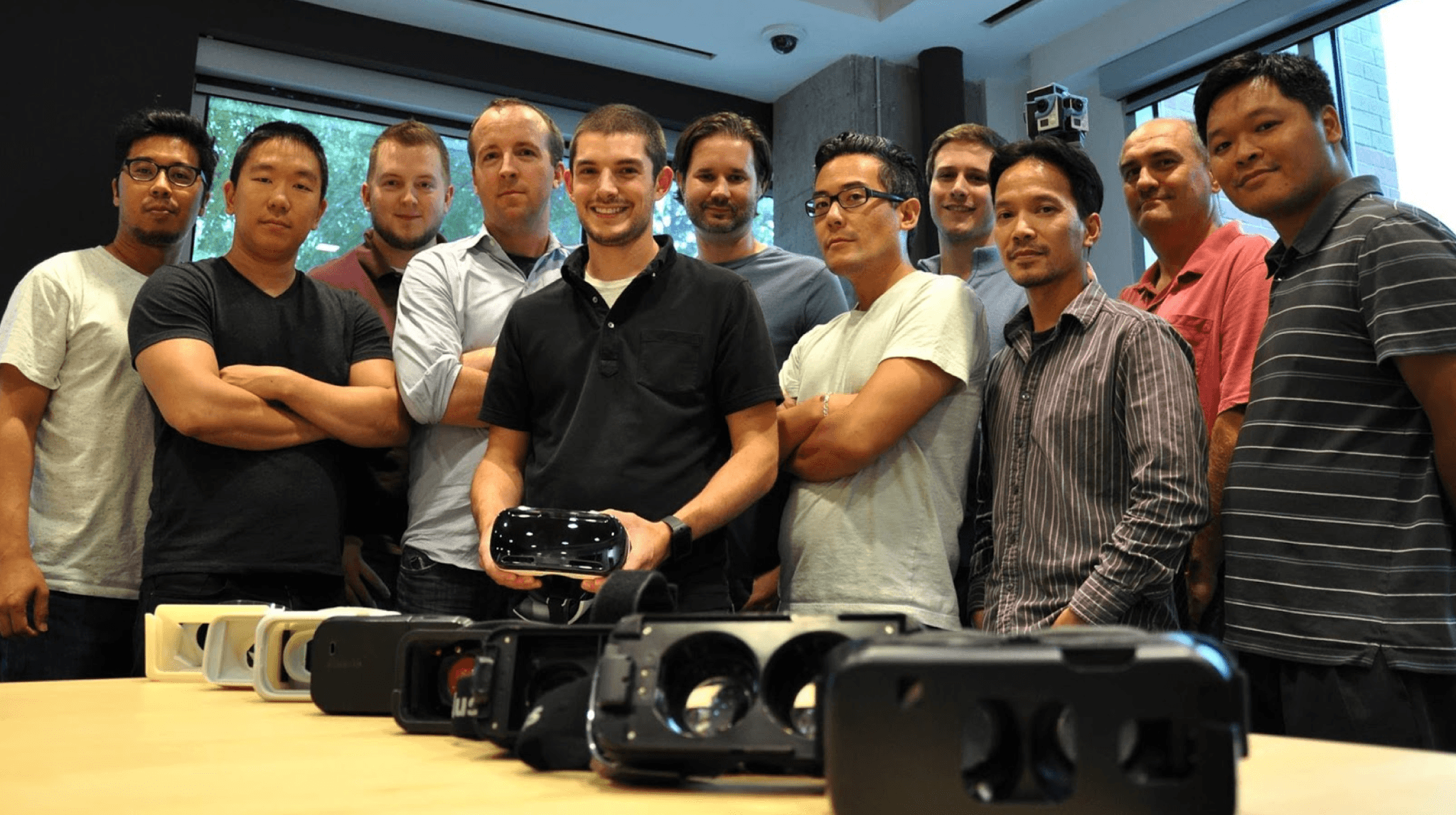
I guided the team through early hardware iterations, prioritizing physical comfort and usability to build the foundation for Samsung's first virtual reality headset.
I designed Milk VR as the critical first-party application, serving as the live testing ground to prove our new spatial interaction standards within a functional ecosystem.
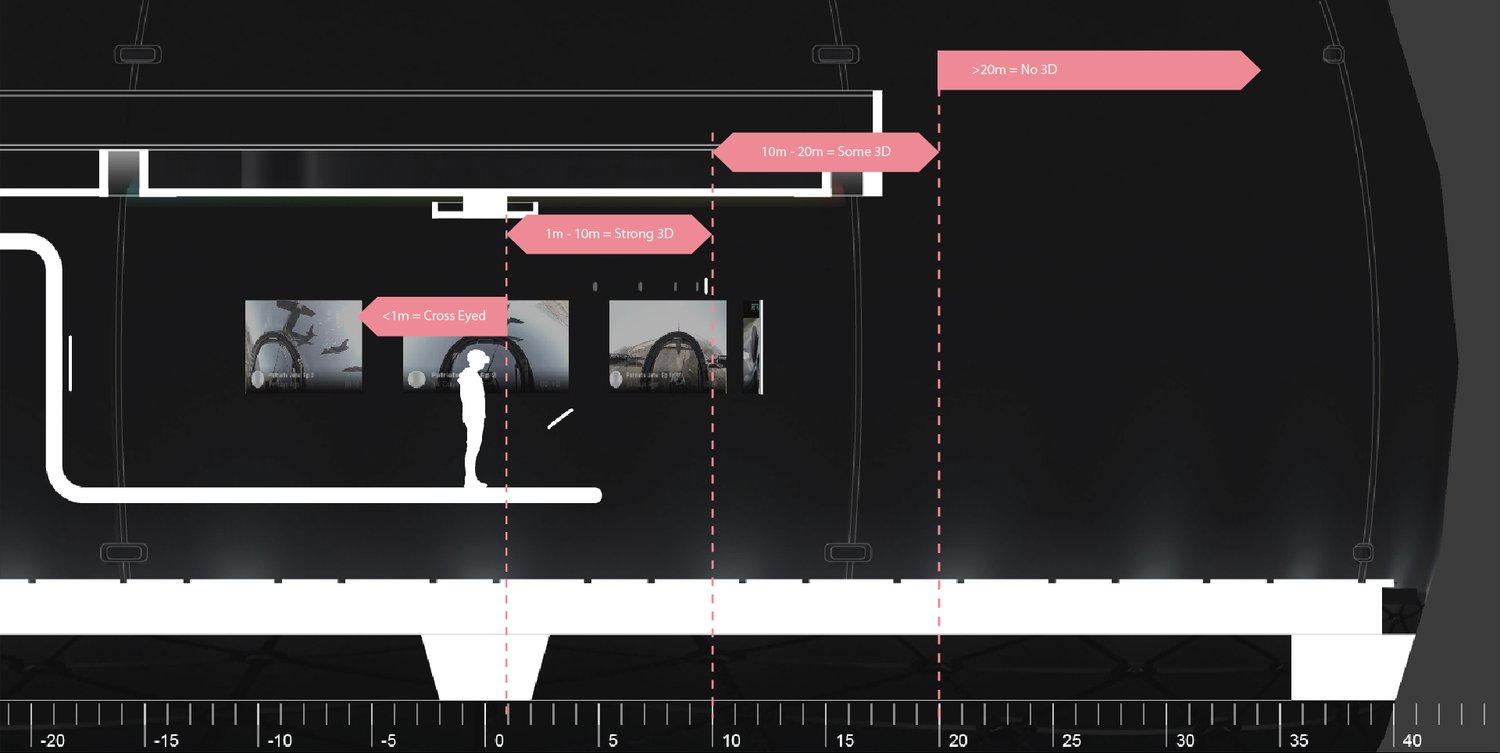
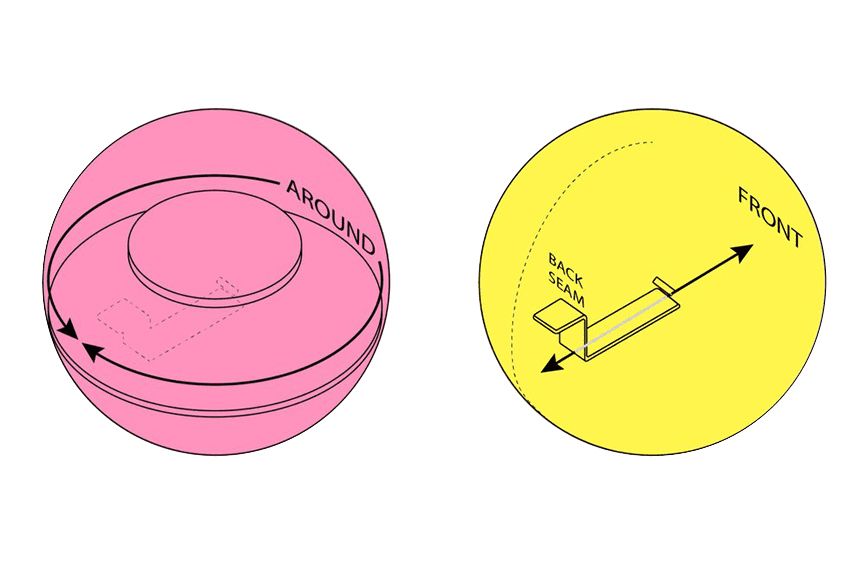
Leveraging my background in physical architecture, I authored rigorous spatial specifications to define comfortable, intuitive interaction models for a completely new medium.
To ensure universal accessibility and drive adoption, I designed a companion 2D experience that brought the 360-video platform to users without dedicated VR hardware.